 Request Appointment
Neonatal Anemia and Blood Transfusion in a Foal by the Rood & Riddle Wellington Internal Medicine Team
Patient Presentation
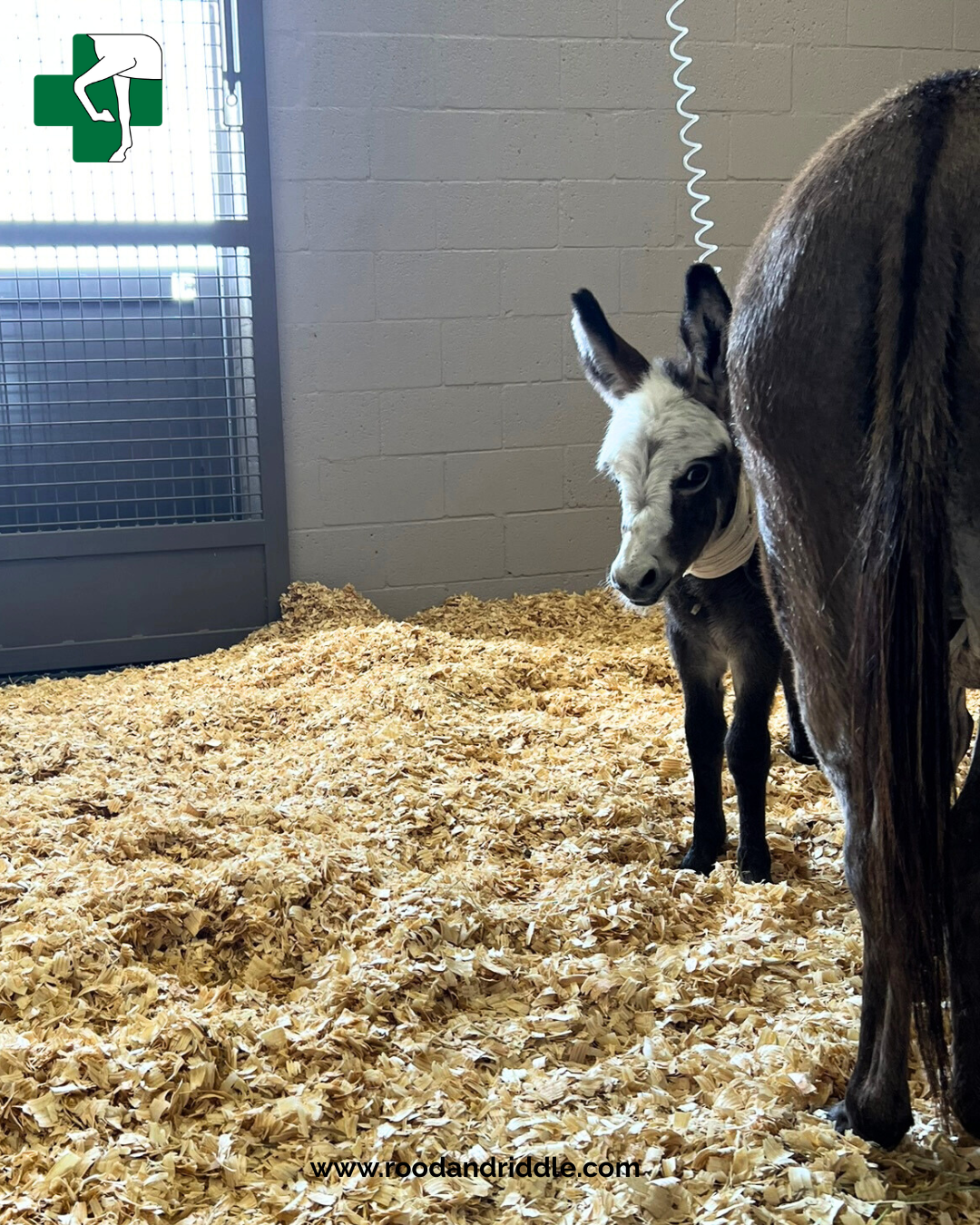
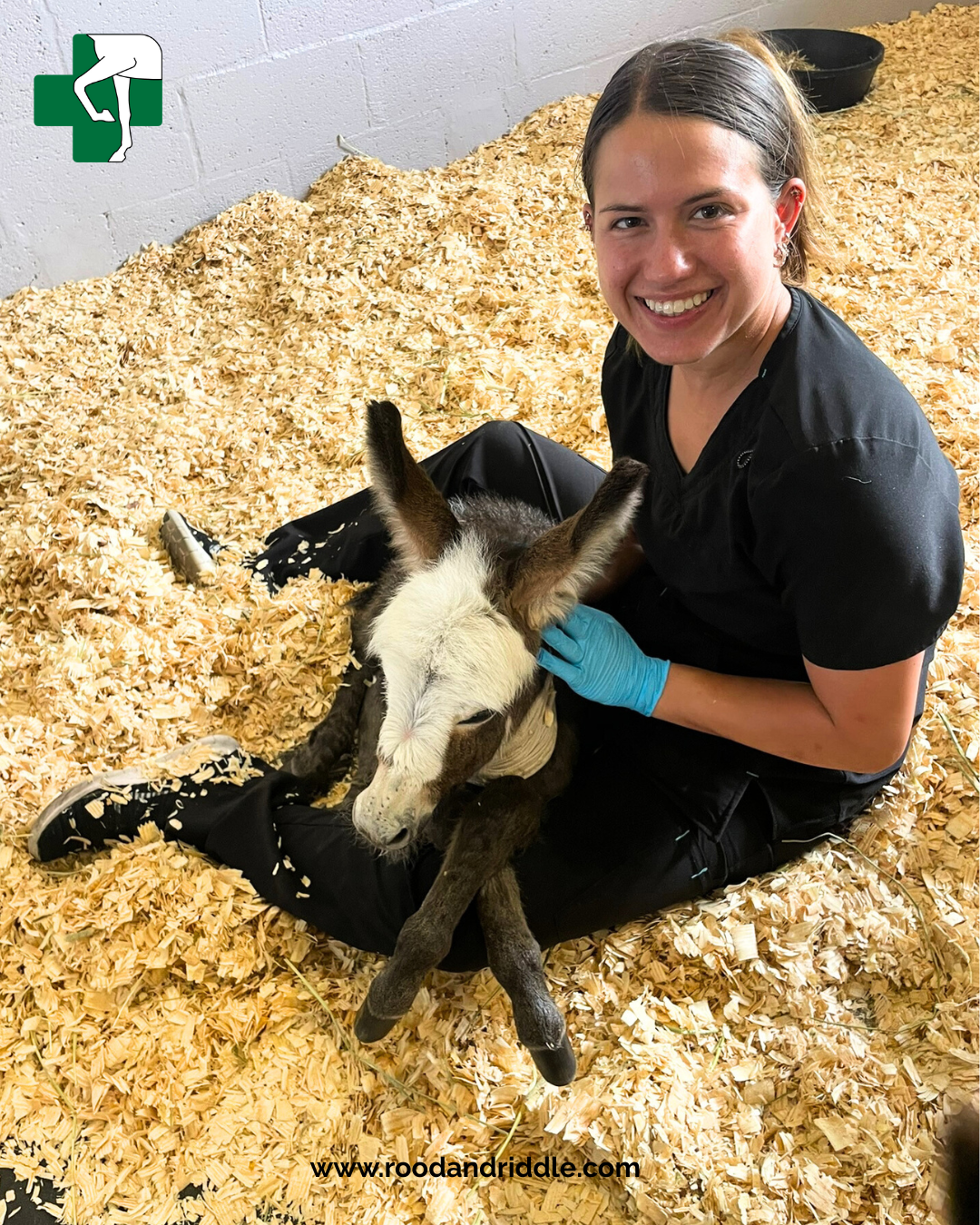
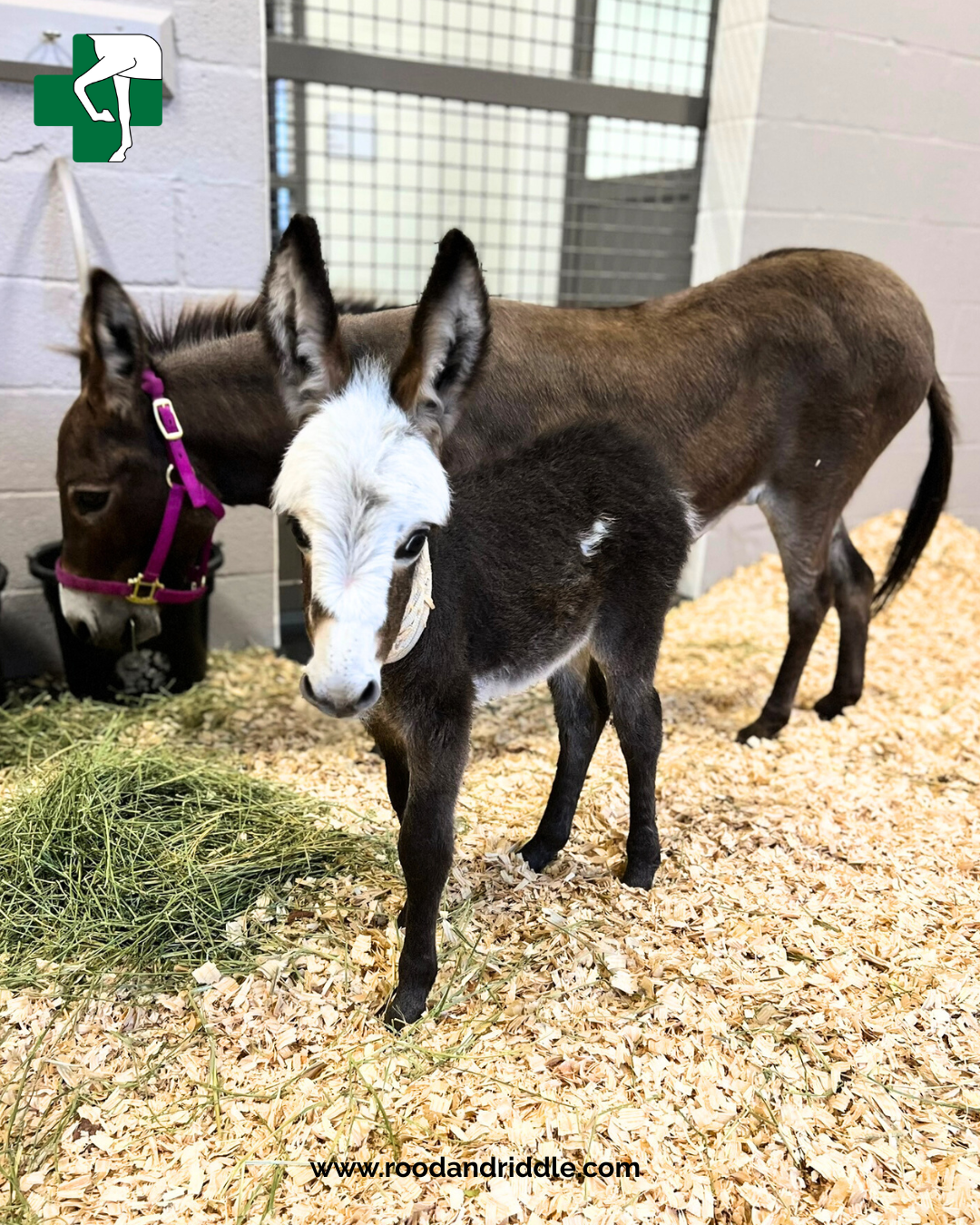
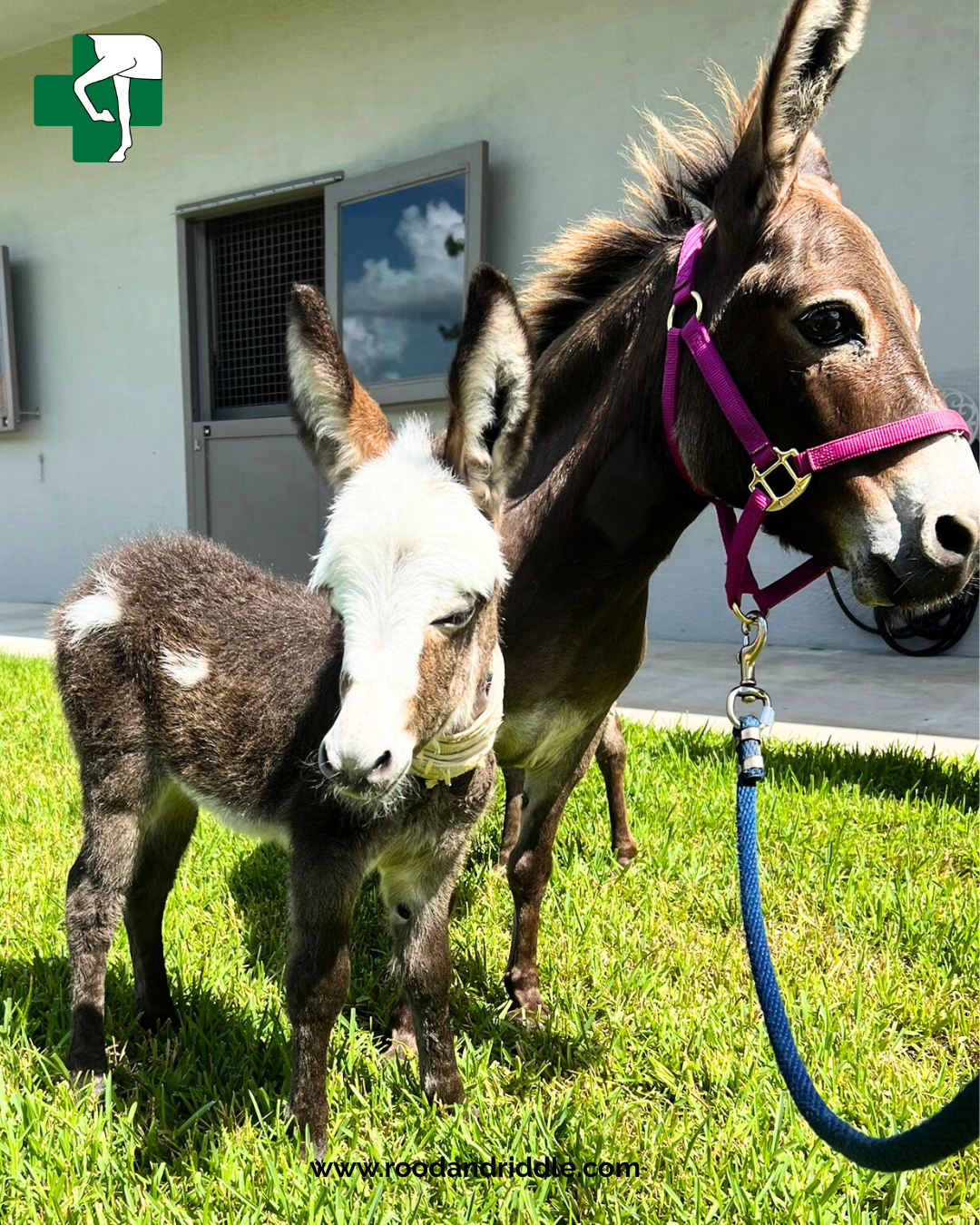
Cupid, a 4-day-old foal, presented to Rood & Riddle Equine Hospital in Wellington, Florida, with dark red-colored urine and concerns for systemic illness. She arrived with her dam, Chi Chi, for referral evaluation and treatment.
Initial Evaluation and Findings
Initial diagnostics performed by Dr. Fairfield Bain and Dr. Blakeney revealed abnormal umbilical structures on ultrasound, port wine–colored urine, and a markedly low hematocrit of 16%. The urine color was a likely indication of hemoglobin (hemoglobinuria) from intravascular immune destruction of the foal’s red blood cells, with spillage of hemoglobin in the urine. This was important as it indicated more rapid (and more serious) red blood cell destruction. Despite these findings, Cupid was initially bright and active. Over the following days, her hematocrit continued to decline to a life-threatening level of 12%, accompanied by increased heart and respiratory rates and decreased brightness.
Medical or Surgical Management
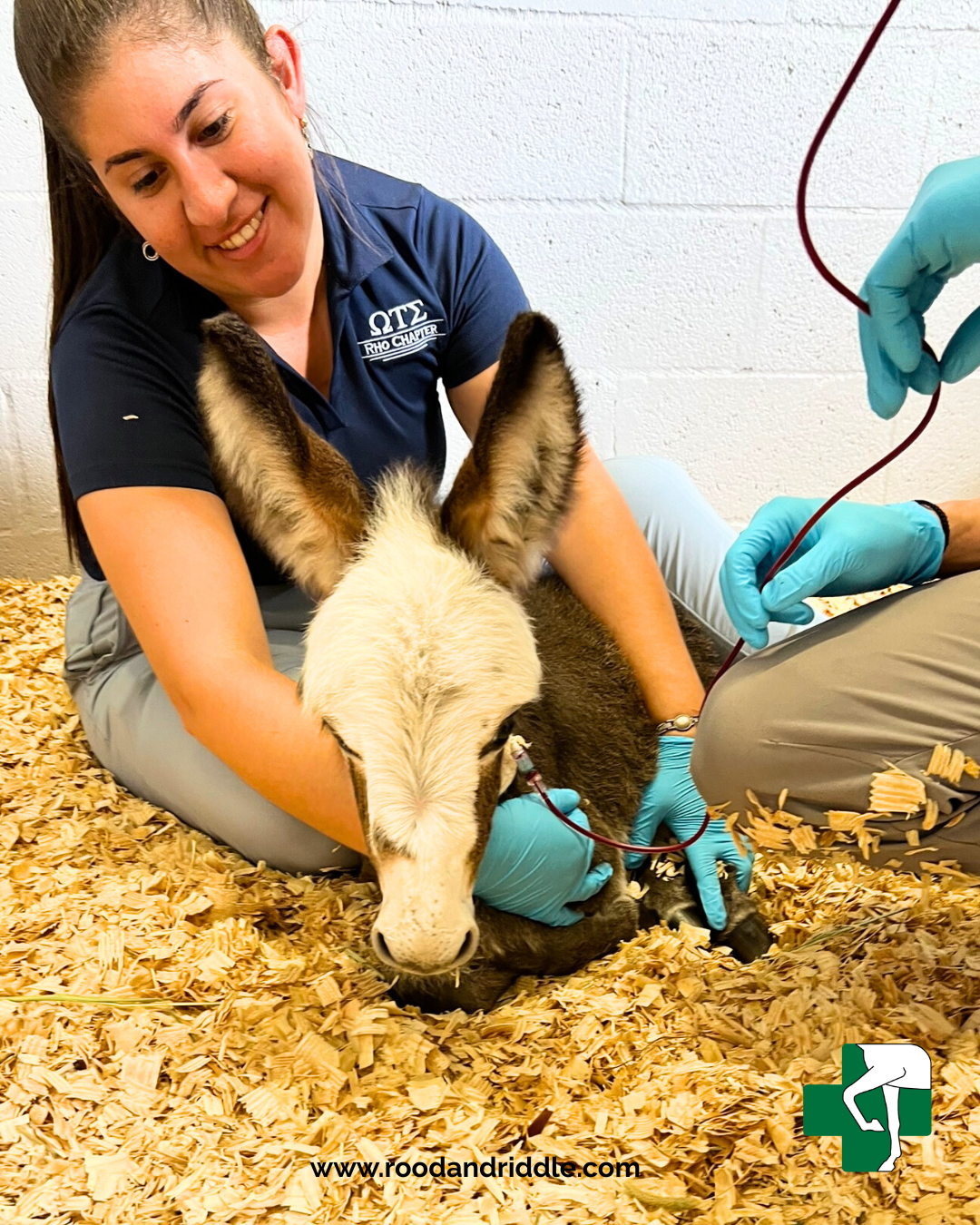
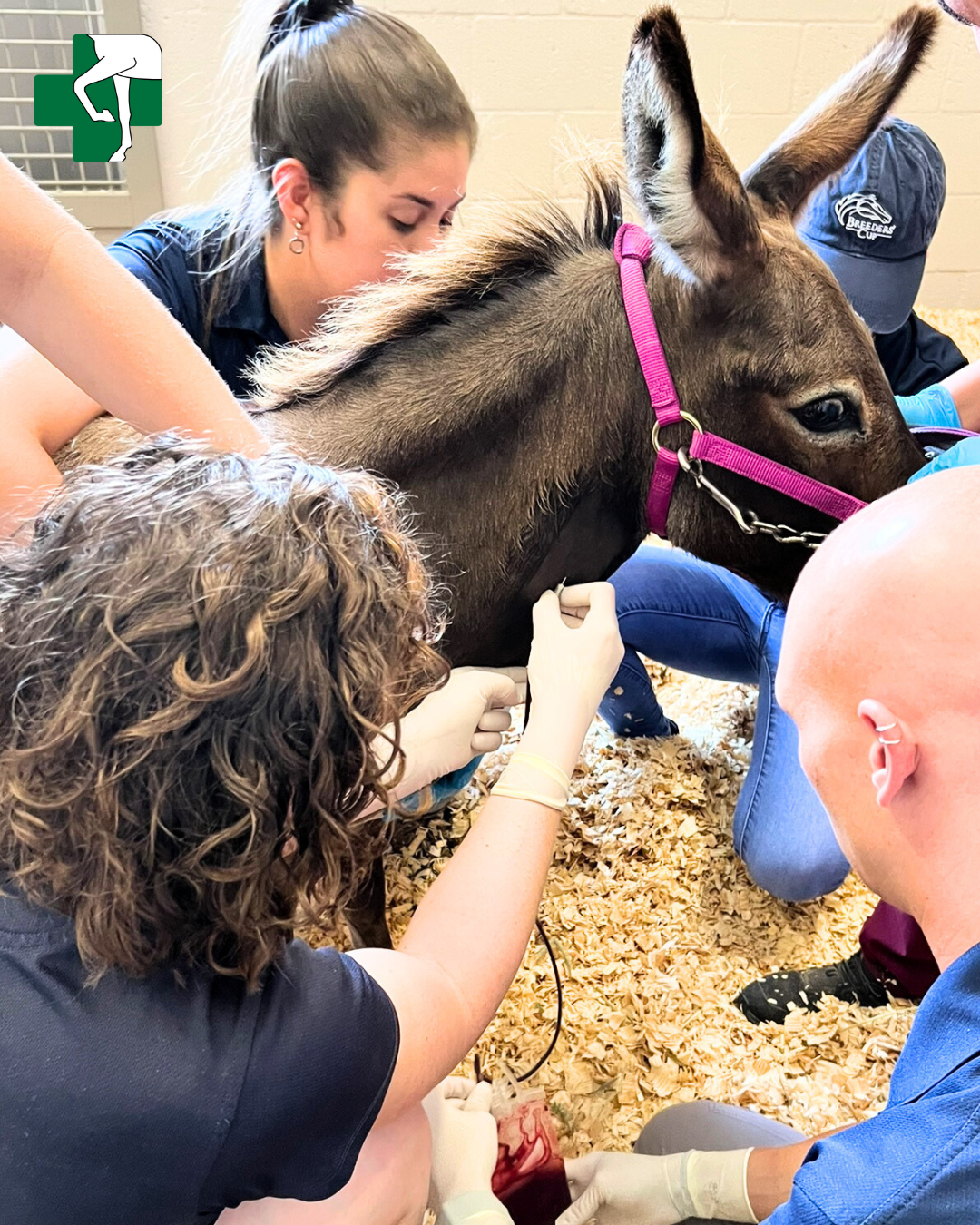
Cupid was started on antibiotics and intravenous fluids to address her infected umbilical structures and support hydration. Due to progressive anemia, a blood transfusion was recommended. Her dam, Chi Chi, served as the blood donor to minimize the risk of transfusion reactions. A total of 500 mL of blood was collected, and major and minor cross-matching was performed onsite. The blood was washed to remove potential antibodies before transfusion. The Rood & Riddle team collaborated closely to prepare and administer the transfusion safely.
Outcome
The transfusion was completed without complications, and Cupid showed rapid clinical improvement, becoming active and playful during and after the procedure. Her hematocrit increased to 20% within 12 hours and remained stable. After eight days of hospitalization, Cupid and Chi Chi were discharged and returned home in good health.
Educational Takeaway
Severe neonatal anemia can be life-threatening and requires prompt diagnosis and intervention. Blood transfusion, cross-matching, and blood processing are critical steps to ensure safety in foals, and using the dam as a donor can reduce the risk of adverse reactions. Early detection and coordinated team care are key to successful outcomes in neonatal equine patients.
Learn more about Dr. Fairfield Bain: CLICK HERE